

By R. Savija
All specifications for electroplating, whether military, federal, ISO, ASTM or SAE-AMS specifications, have an initial section that contains essential information to be supplied by the purchaser to the electroplater. More times than not, much of this information is omitted from part prints and purchasing documents which opens the door to potential miscommunication and finishing shortfalls. This blog details some of the more common omissions that are discovered by Advanced Plating Technologies’ engineering staff during quoting or contract review of specifying a plating process.
Specification of the plating thickness and tolerance requirements:
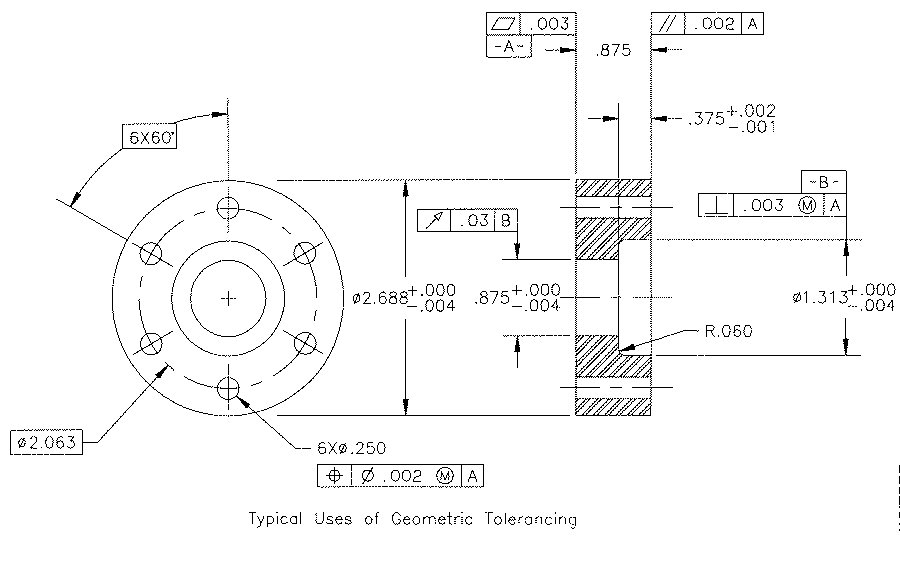 Often a minimum/maximum thickness tolerance without a defined checkpoint cannot be realistically obtained with a traditional electroplating process. For example, a plating specification that lists a minimum plating thickness of 0.0003” and a maximum plating thickness of 0.0005” for all surfaces of an electroplated part would not be achievable on most part geometries due to the inherent variations in electrolytic plating distribution. Continue reading