
A Discussion of Metal Finishing & Environmental Stewardship

Metal Finishing Environmental Stewardship Benefits More Than Just the Environment

Advanced Plating Technologies has always taken a clear stance on the environment.  Since the beginning of the clean water act in 1972, APT has been committed to not only meeting but exceeding all local, state and federal environmental laws.  This record speaks a silent assurance that many “low cost” metal finishing suppliers cannot.  In fact, metal finishing companies with substandard environmental systems is a liability not only for their continued operation but for potential litigation down the road against themselves and their customers.
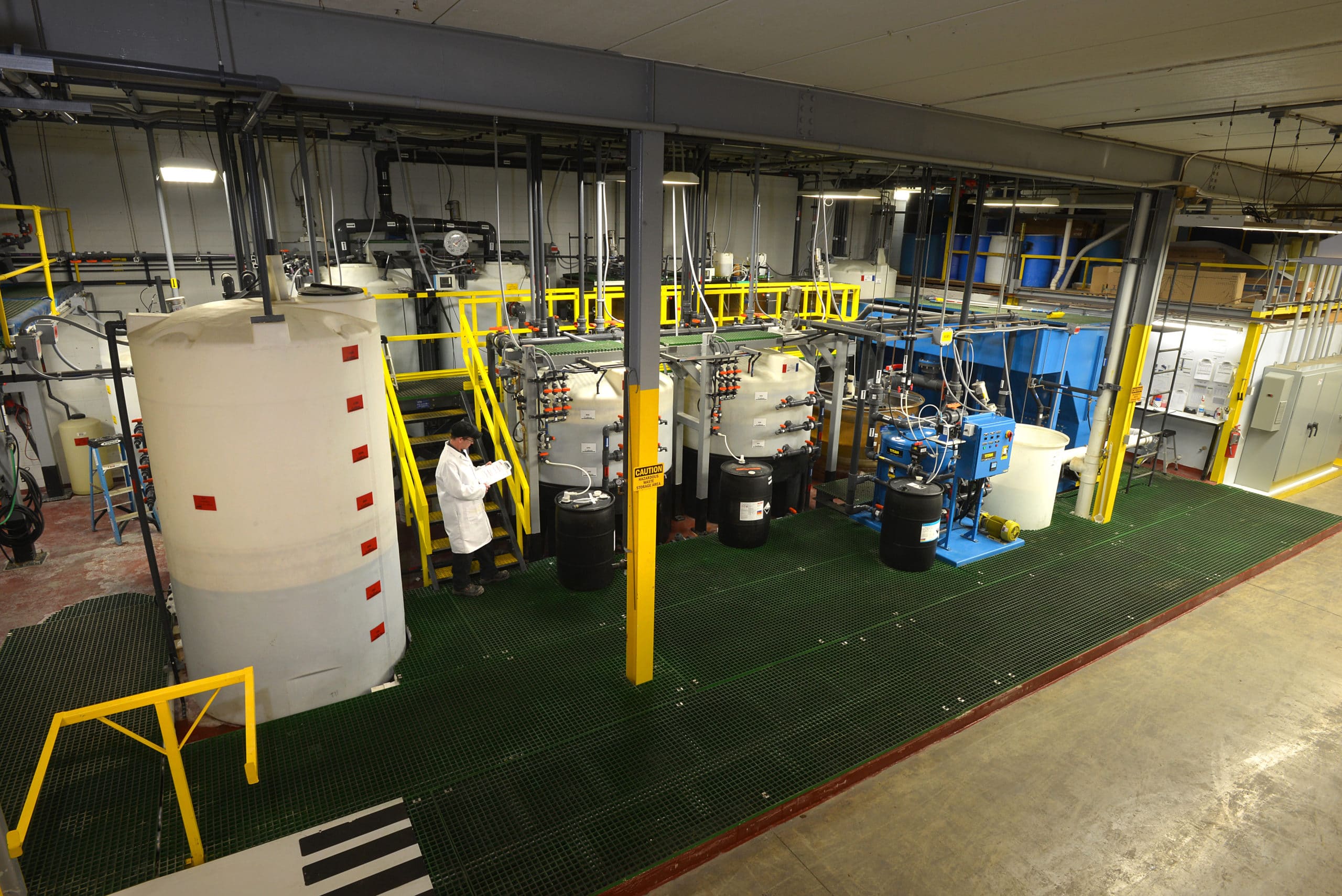
Surface Finishing Waste Treatment Facility

APT’s Modern Waste Treatment Facility

The metal finishing industry continues to be one of the most highly regulated industries in the country with new regulations and requirements added each year.  New regulations on PFOA and PFOS compounds and additions to the Toxic Substances Control Act (TSCA) are just a few of the latest impending regulatory restrictions. For this reason, APT continues to invest in improved treatment technologies and self-imposed compliance standards below permit levels as an example within the Industry.  APT’s leadership has been recognized with numerous local, state and national environmental awards from the Milwaukee Metropolitan Sewage District (MMSC), Wisconsin State Department of Natural Resources (DNR) and the United States Environmental Protection Agency (EPA).

The history of environmental compliance within the metal finishing industry is marked by various landmark laws that have far-reaching implications counter to what many would consider sound environmental practices.  In 1980 the Resource Conservation and Recovery Act (RCRA) mandated that the F006 wastewater treatment sludge produced by electroplaters shall be listed as hazardous waste categorically. This designation was applied without testing the waste product for its actual chemically hazardous profile using the TCLP methodology.  Thus, the applied arbitrary designation limits the ability of the waste to be recycled to recover the valuable metals contained therein. Since then, this legislation has come under increased criticism from many in the industry as it results in the waste of thousands of tons of valuable metals each year. Continue reading

Deposit Thickness in Surface Finishing, the Misunderstood Variable

Deposit Thickness in Surface Finishing

By: J. Lindstedt, President.

In ordering a surface coating system to enhance the performance of an article in service, the use of standard finishing specifications is the established procedure employed by most manufacturing entities. The specifications most commonly referenced are ASTM, MIL Specs, AMS and unique corporate specifications.

Surface finishing specifications identify a number of parameters which evaluate the ability of the surface coating to perform its intended function. The most common coating requirements used to qualify a coating system are:
Continue reading

Plating Methods & Tooling Design Considerations for Rack Plating

By James Lindstedt, Manufacturing & Process Engineer

Rack Plating Introduction – A Metal Finishing Job Shop

Advanced Plating Technologies is a metal finishing job shop. What does that mean? A metal finishing job shop encounters the metal finishing demands of any industry that has a need for metal finishing. Metal finishing is a highly diverse industry serves the needs  of  a myriad of other industries. Although there is always common ground, every industry has its own unique set of needs and criteria for metal finishing. The conscientious metal finisher must be able to recognize these unique requirements, and reconcile them with the nuances of the plating methods and processes.

Rack Plating & Tooling

When quoting at a prospective job, some of the key factors to consider are:

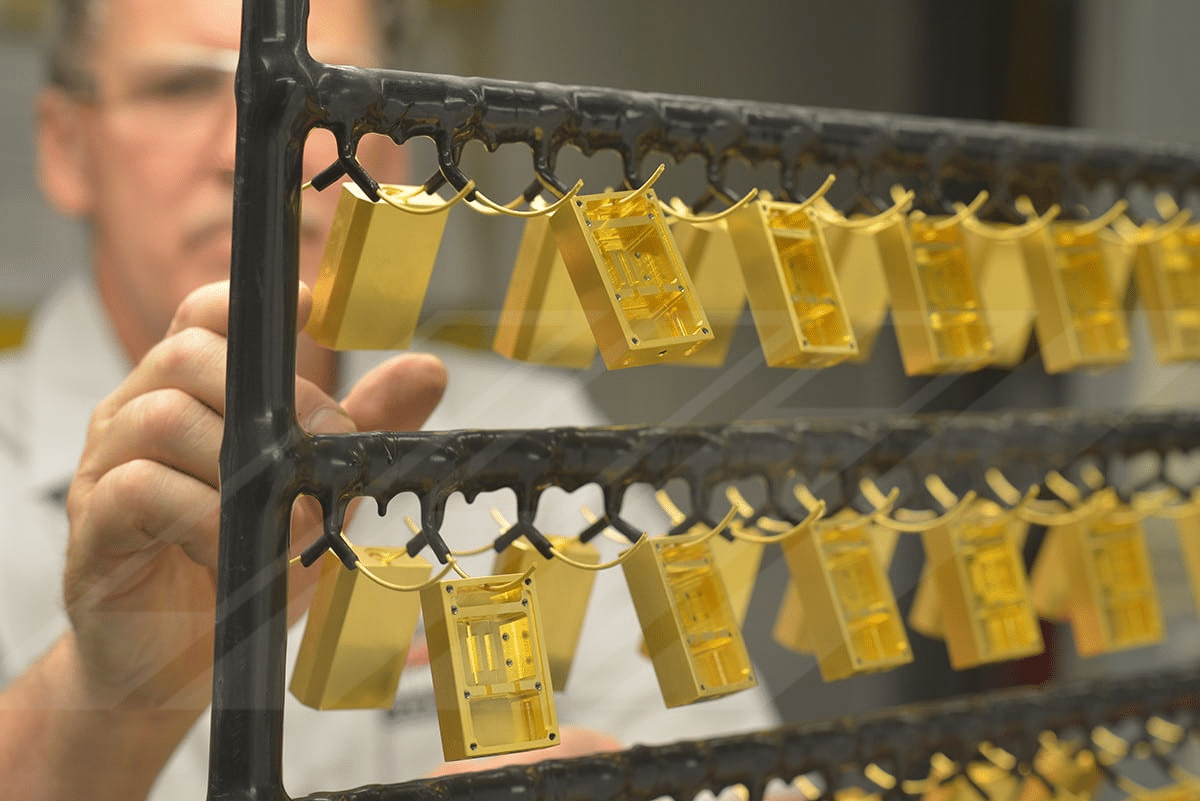
Rack Plating Gold

  • Part geometry
  • End use
  • Base material
  • Part volume (EAU)
  • Throughput
  • Type Of Process (Electroless, Electrolytic, Immersion Only, etc)

Continue reading

Critical Details Often Overlooked When Specifying a Plating Process

By R. Savija
All specifications for electroplating, whether military, federal, ISO, ASTM or SAE-AMS specifications, have an initial section that contains essential information to be supplied by the purchaser to the electroplater. More times than not, much of this information is omitted from part prints and purchasing documents which opens the door to potential miscommunication and finishing shortfalls. This blog details some of the more common omissions that are discovered by Advanced Plating Technologies’ engineering staff during quoting or contract review of specifying a plating process.

Specification of the plating thickness and tolerance requirements:

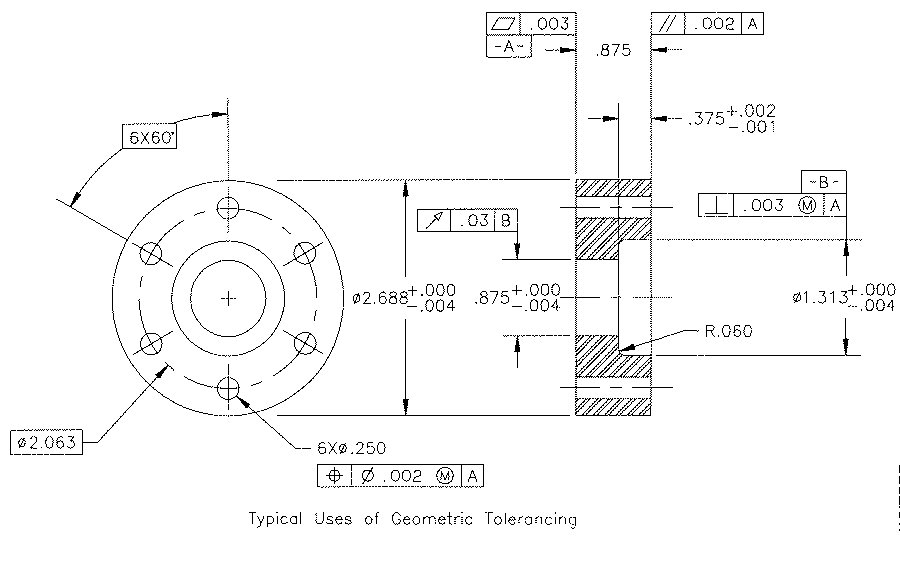
Geometric TolerancesOften a minimum/maximum thickness tolerance without a defined checkpoint cannot be realistically obtained with a traditional electroplating process. For example, a plating specification that lists a minimum plating thickness of 0.0003” and a maximum plating thickness of 0.0005” for all surfaces of an electroplated part would not be achievable on most part geometries due to the inherent variations in electrolytic plating distribution. Continue reading

Educational Resources for Metal Surface Finishing Professionals

image004 Are you new to the metal finishing industry? Perhaps you’ve recently been promoted to a buyer of electroplated material/services within your organization’s supply chain department…a new supplier quality engineer overseeing metal finishing applications…a design engineer who has to address surface engineering as a key component of product design…or a student contemplating a career in metal surface finishing.

No matter what your informational needs are, the following online resources are a great starting point, each providing a wealth of technical and training information and links related to metal surface finishing technology, environmental impact and regulatory compliance. Continue reading